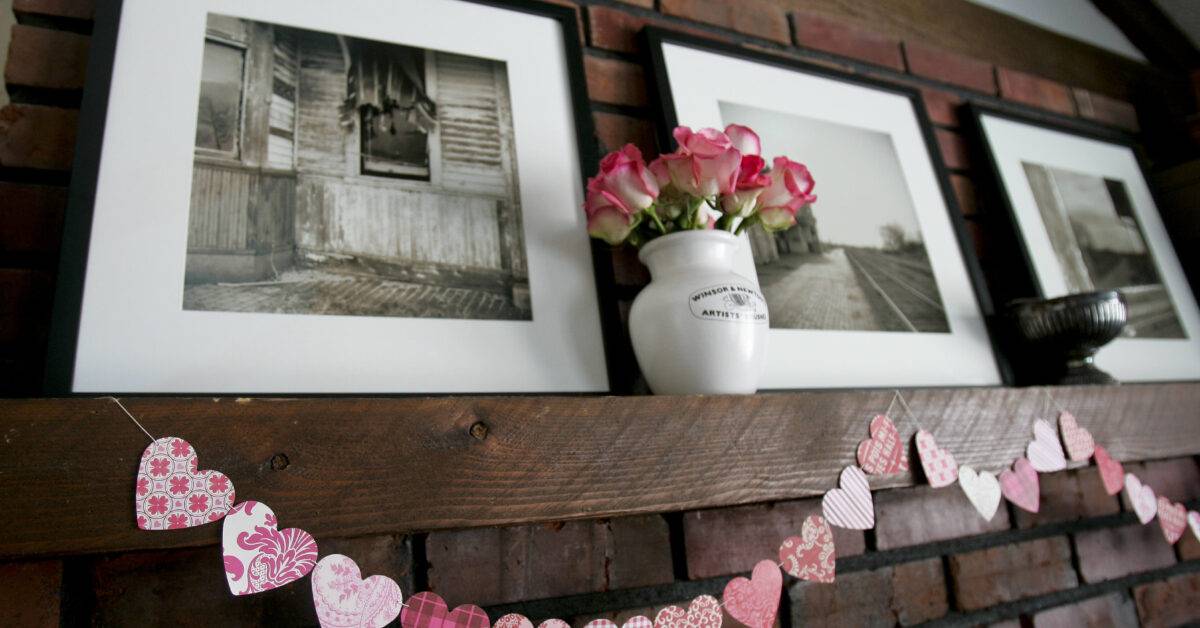
Valentine’s Week is everywhere right now—flowers, prix-fixe menus, heart-shaped everything. But quietly, another trend has been gradually gaining momentum across America, too. Think of it more as anti-pressure than anti-love. Welcome to the rise of the Anti-Valentine home: spaces designed for comfort, boundaries, and self-connection first.
This shift isn’t asking anyone to reject romance, but rather to redefine it. In 2026, many people are choosing homes that support who they are, not who social media or Hallmark says they should be.
Why Valentine Week Is Fueling a Design Rebellion


Think of chocolates, roses, cards, and gifts. Valentine Week has always carried the unspoken message that romance must be performative. But after years of burnout, screen fatigue, and constant comparison, many Americans are consciously opting out of the spectacle and turning inward.
Designing for yourself has become an act of self-respect. A calm home. A private ritual. A space that doesn’t need to impress anyone else. Perhaps more are gravitating toward this idea because it feels timely, honest, and refreshing.
The Anti-Valentine Home Is a Sanctuary, Not a Stage

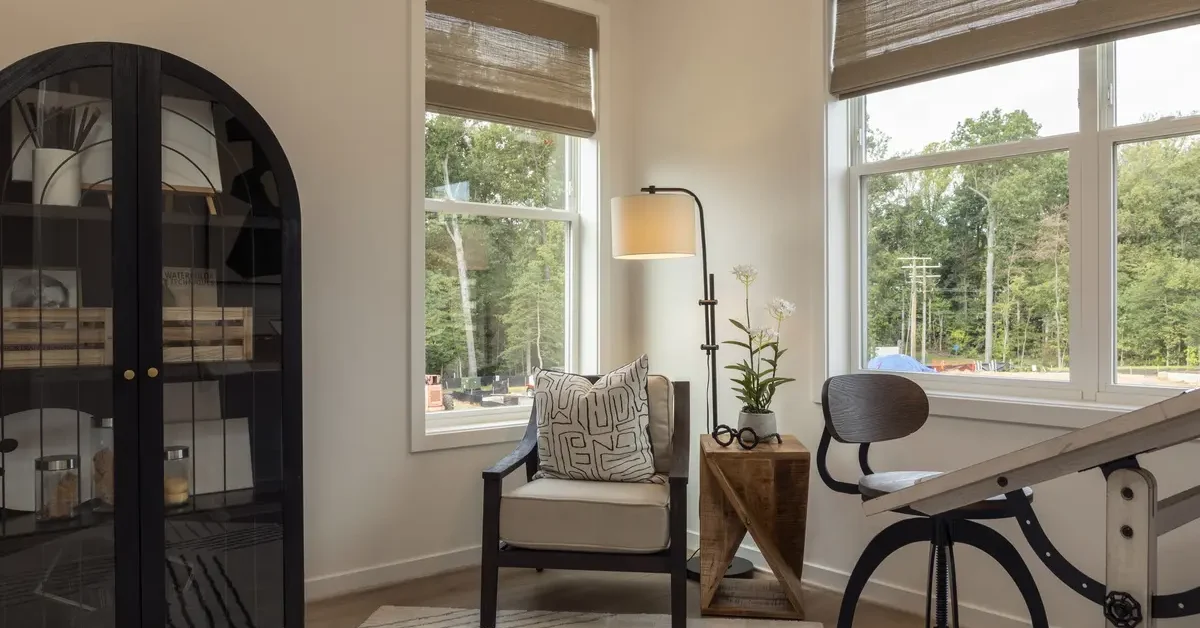
Unlike traditional “romantic decor,” Anti-Valentine spaces need not be styled for photos. They’re built for real life.
Think fewer statement pieces, more emotional comfort:
- Softer lighting instead of dramatic overheads
- Quiet corners instead of open-plan everything
- Furniture chosen for how it feels, not how it trends
In short, you get to create a home that helps you exhale the moment you step inside.
The Return of the Reading Corner

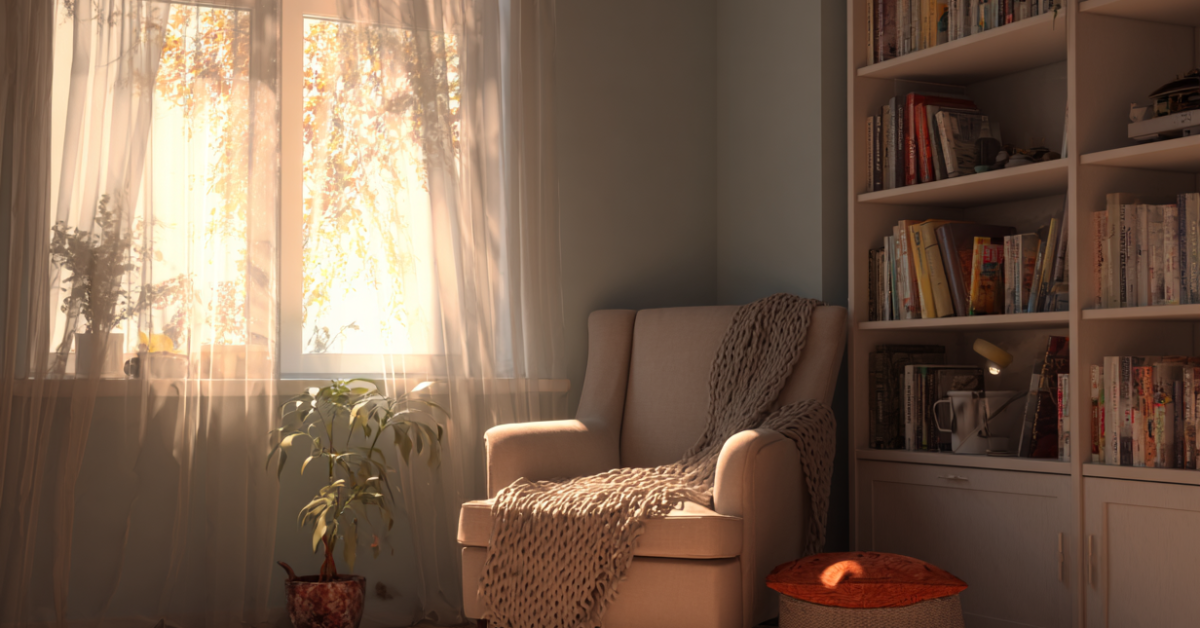
One of the clearest signs of this movement? The comeback of the reading corner.
A single armchair. A warm lamp. A throw blanket you actually use. No matching set required. There are no rules for these spaces, except that they are personal by design—built for slowing down rather than scrolling.
For singles, it could be an evening ritual. For couples, it might be a reminder that intimacy also means giving each other space.
Solo Dining Is the New Self-Care Ritual

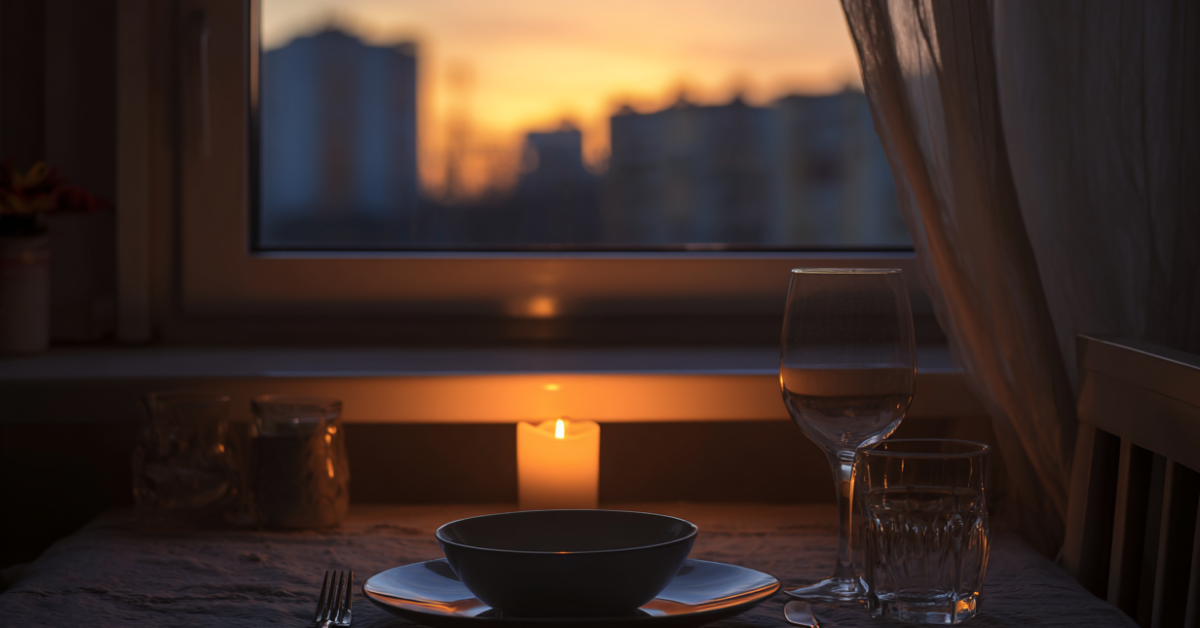
Anti-Valentine homes are also changing how people eat at home. Solo dining—once treated as a sad compromise—is being reframed as intentional and grounding.
A small table by a window. Real plates. A candle, even on a Tuesday. Stop framing this as loneliness. This is you being present for yourself. And during Valentine Week, it’s a quiet rejection of the idea that meals only matter when shared.
Bedrooms as Reset Zones, Not Instagram Sets

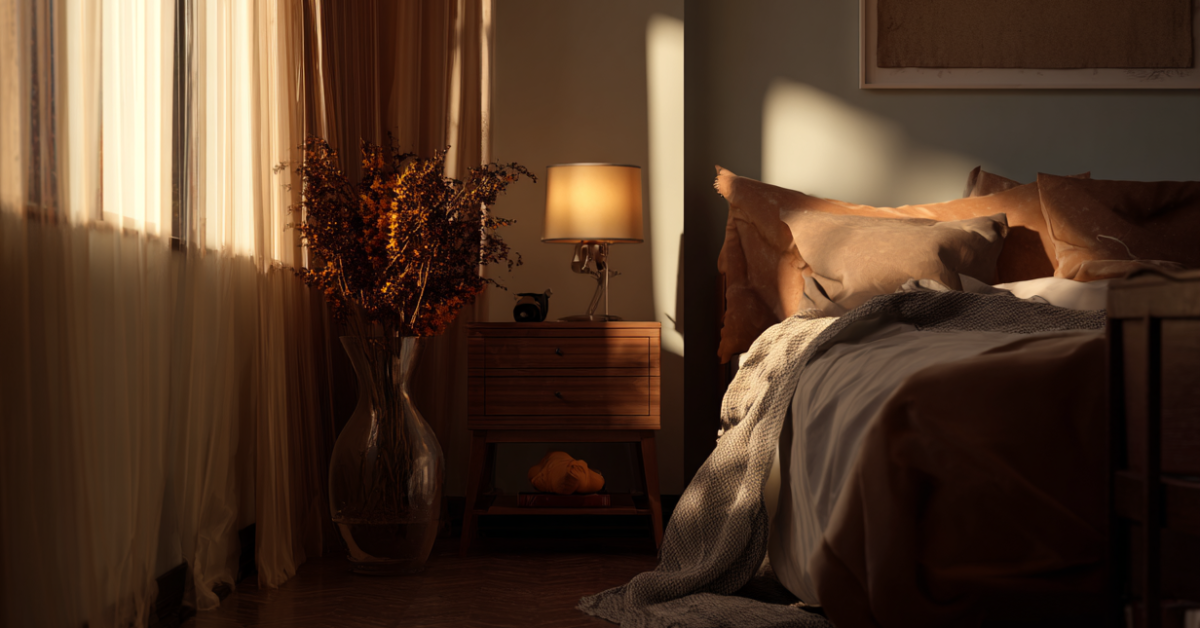
Perhaps the biggest shift is happening in the bedroom.
Instead of overly styled spaces meant to photograph well, Anti-Valentine bedrooms focus on sleep, recovery, and emotional reset.
Choose cooler colors, minimal clutter, and fewer devices. Restoration and rejuvenation over romance. And ironically, that makes these spaces feel more intimate than ever.
Designing for Yourself Is the Most Modern Love Story
The Anti-Valentine homes don’t cancel romance. They strengthen it. When your space supports your boundaries, routines, and comfort, everything else becomes lighter—dating included.
This Valentine’s Week, designing for yourself is foundational rather than selfish. And in a world that’s always asking for more, a home that asks for nothing might be the most loving thing you can build.