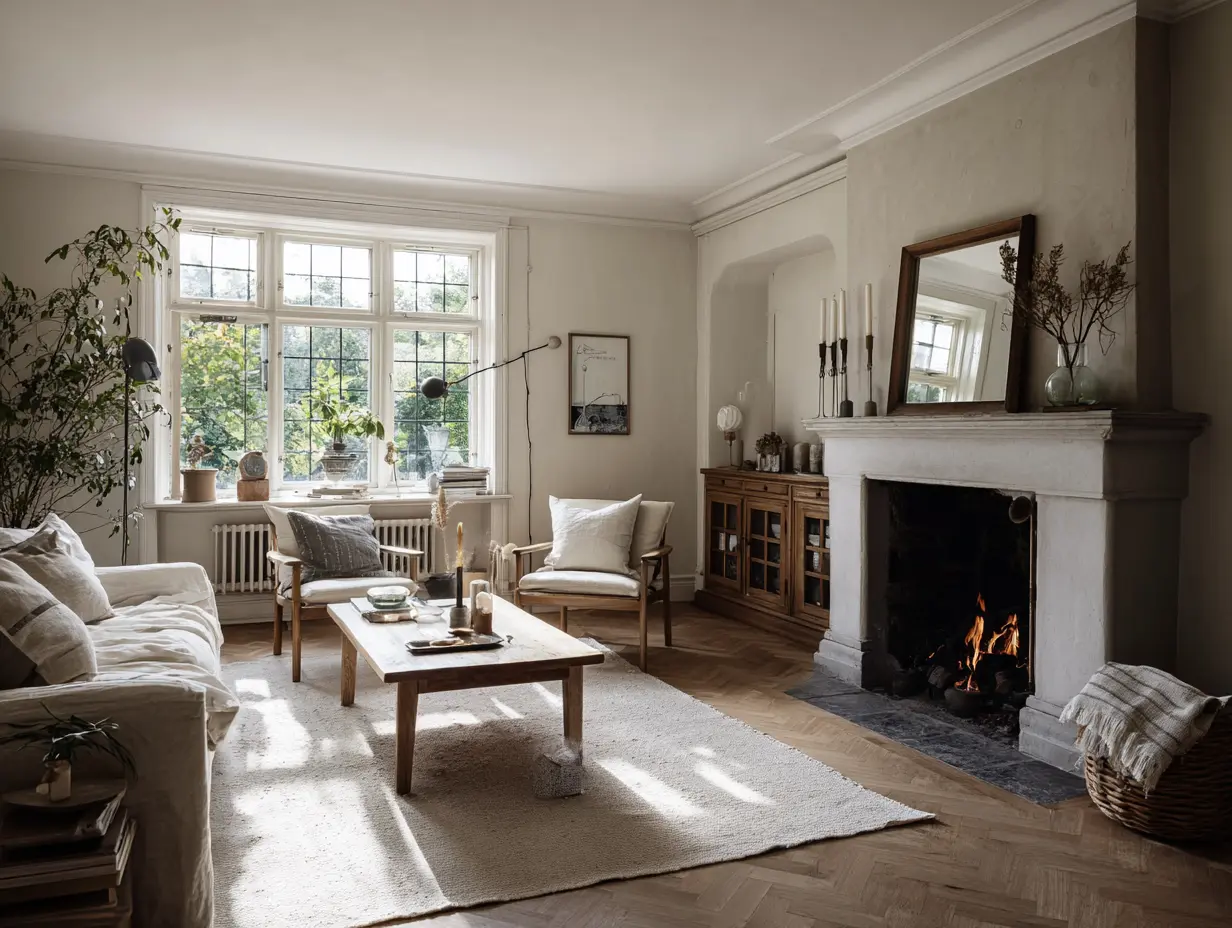
Modern homes are filled with noise—not always the audible kind. Harsh lighting, visual clutter, and rooms designed more for display than comfort can quietly add to everyday stress. That’s where hygge, a Danish concept centered on comfort and calm, offers a different way forward.
Rather than focusing on trends or perfection, hygge is about shaping interiors that feel emotionally grounding. It’s less about what a home looks like, and more about how it supports the people living in it.
What Hygge Really Means in Interior Design

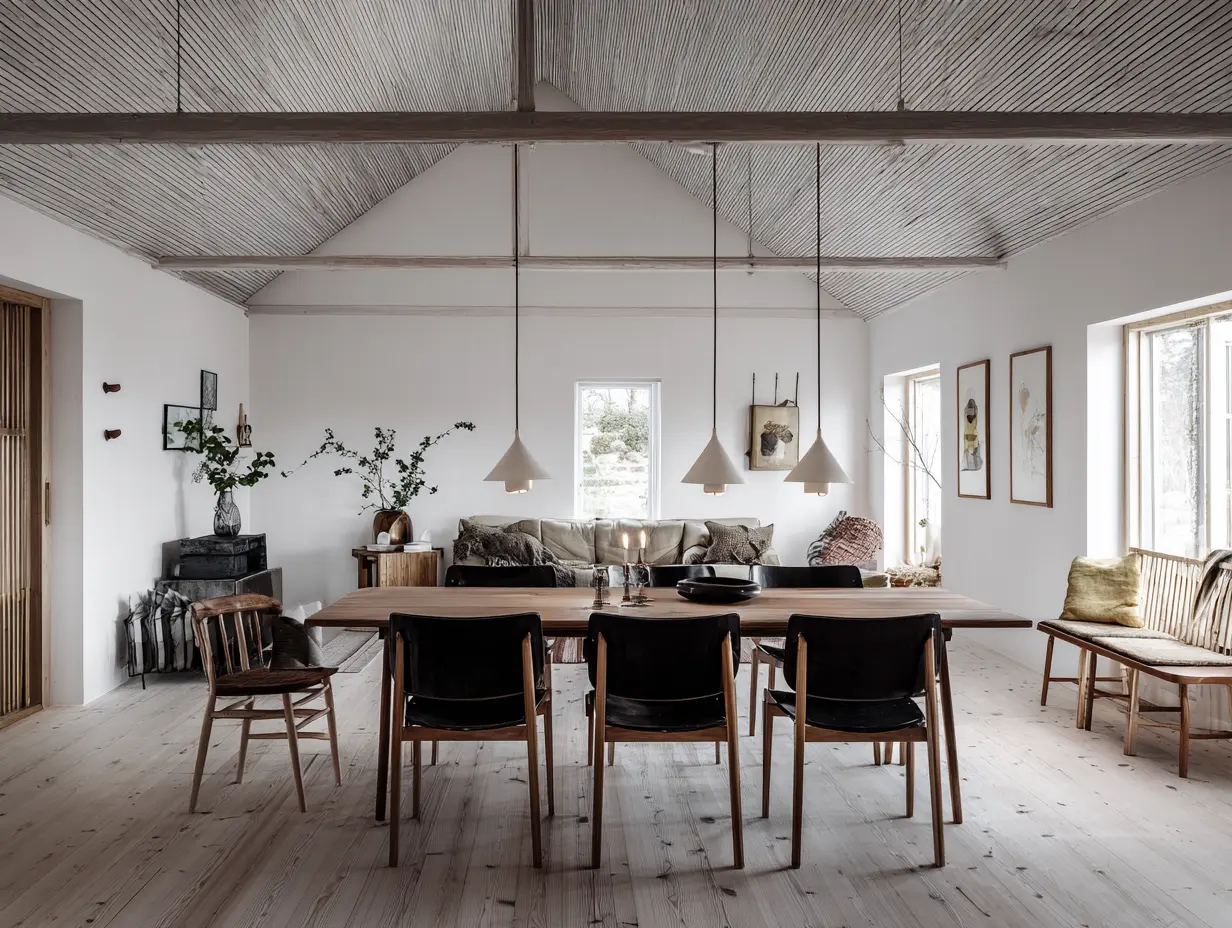
Hygge (pronounced hoo-gah) is often described as coziness, but that definition barely scratches the surface. In the context of interior design, hygge is about creating cozy living spaces, spaces that encourage relaxation, presence, and connection.
A hygge-inspired home feels welcoming without trying too hard. It avoids extremes and instead favors balance: warm over cold, soft over sharp, calm over stimulation. There’s no strict formula, only thoughtful choices that make a space feel safe and lived-in.
Lighting: The Foundation of a Calm Home

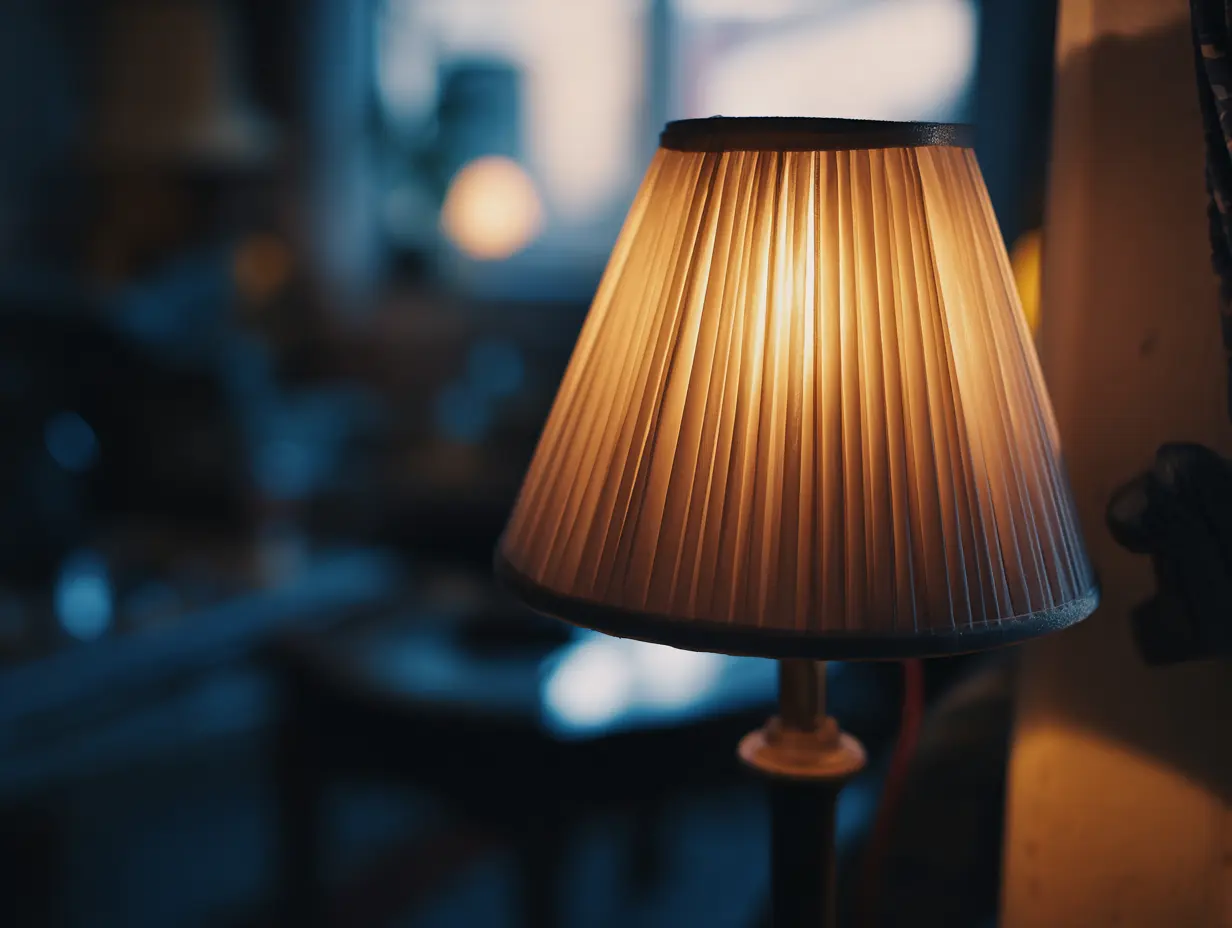
Lighting plays a central role in Danish interior design and is essential to creating a hygge atmosphere. Bright overhead lights can make even beautiful rooms feel sterile. Hygge replaces them with layered, warm lighting that softens a space.
Table lamps, floor lamps, and wall lights placed at lower levels create intimacy, especially in the evening. Warm-toned bulbs and candlelight add depth and movement, helping rooms feel calmer and more inviting after dark.
Texture Over Perfection

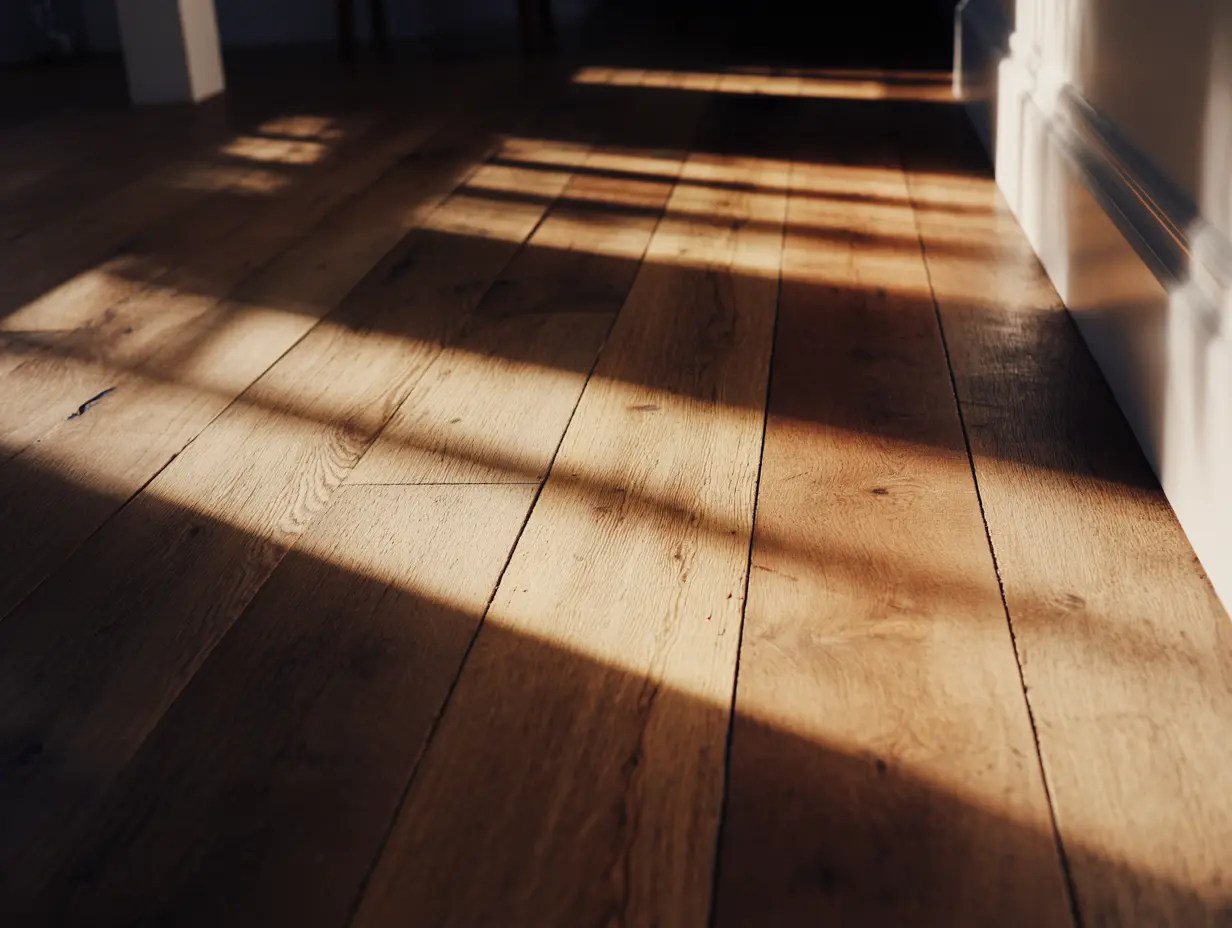
Hygge homes rarely feel pristine—and that’s intentional. Texture is what gives a space warmth without clutter. Natural materials like wool, linen, wood, and ceramic add softness and visual interest without overwhelming the room.
Layering is key. A linen sofa paired with a wool throw, or smooth ceramics alongside rough wood, creates contrast while keeping the overall mood relaxed. Hygge favors comfort over polish and authenticity over symmetry.
Designing Spaces That Support Daily Life

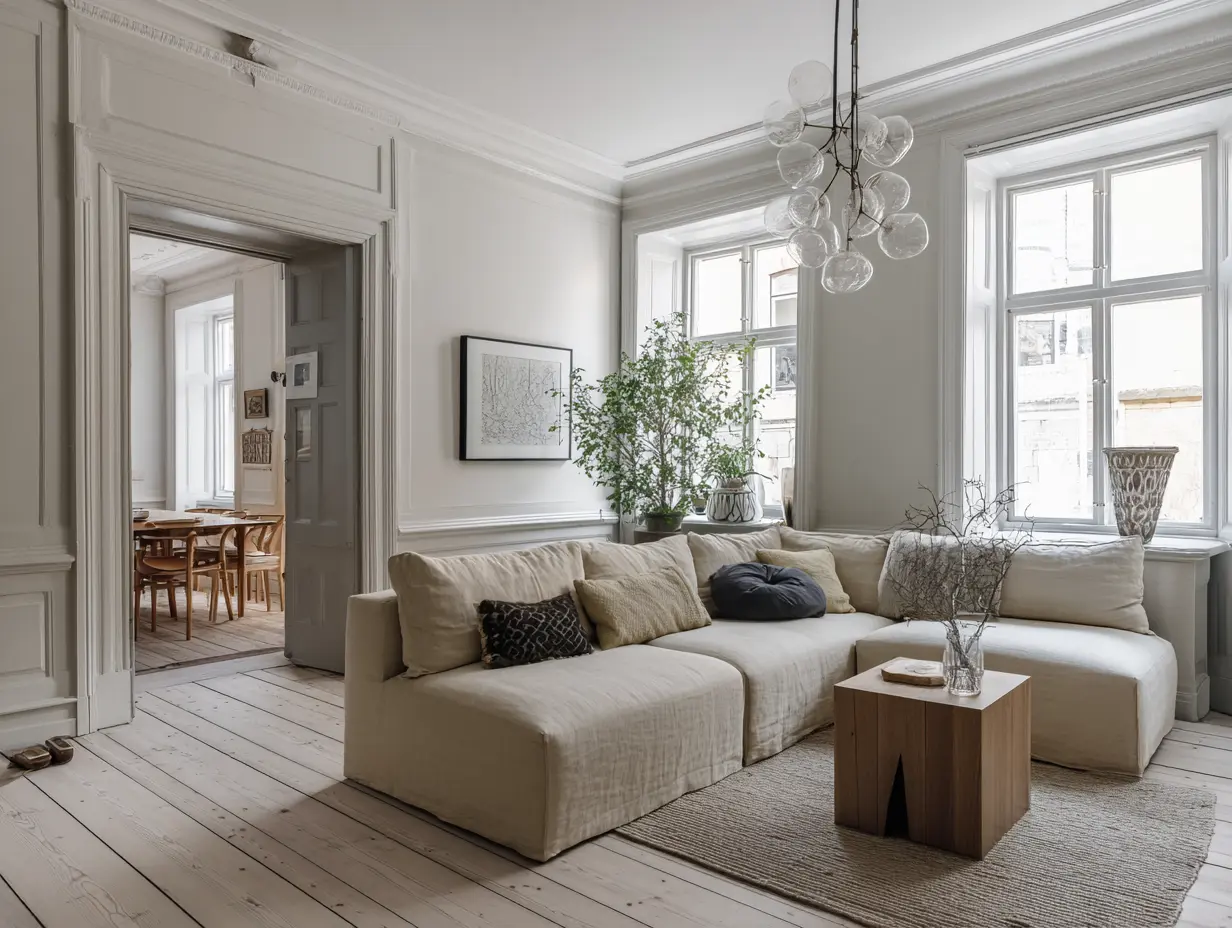
One of the defining principles of hygge is designing for use, not display. Seating is arranged for conversation. Corners invite reading or quiet moments. Rooms encourage people to linger rather than move through quickly.
This approach shifts the focus from aesthetics alone to well-being. A hygge-inspired home supports daily rituals—morning coffee by a window, shared meals, evenings spent unwinding instead of rushing.
Hygge Is Not Seasonal

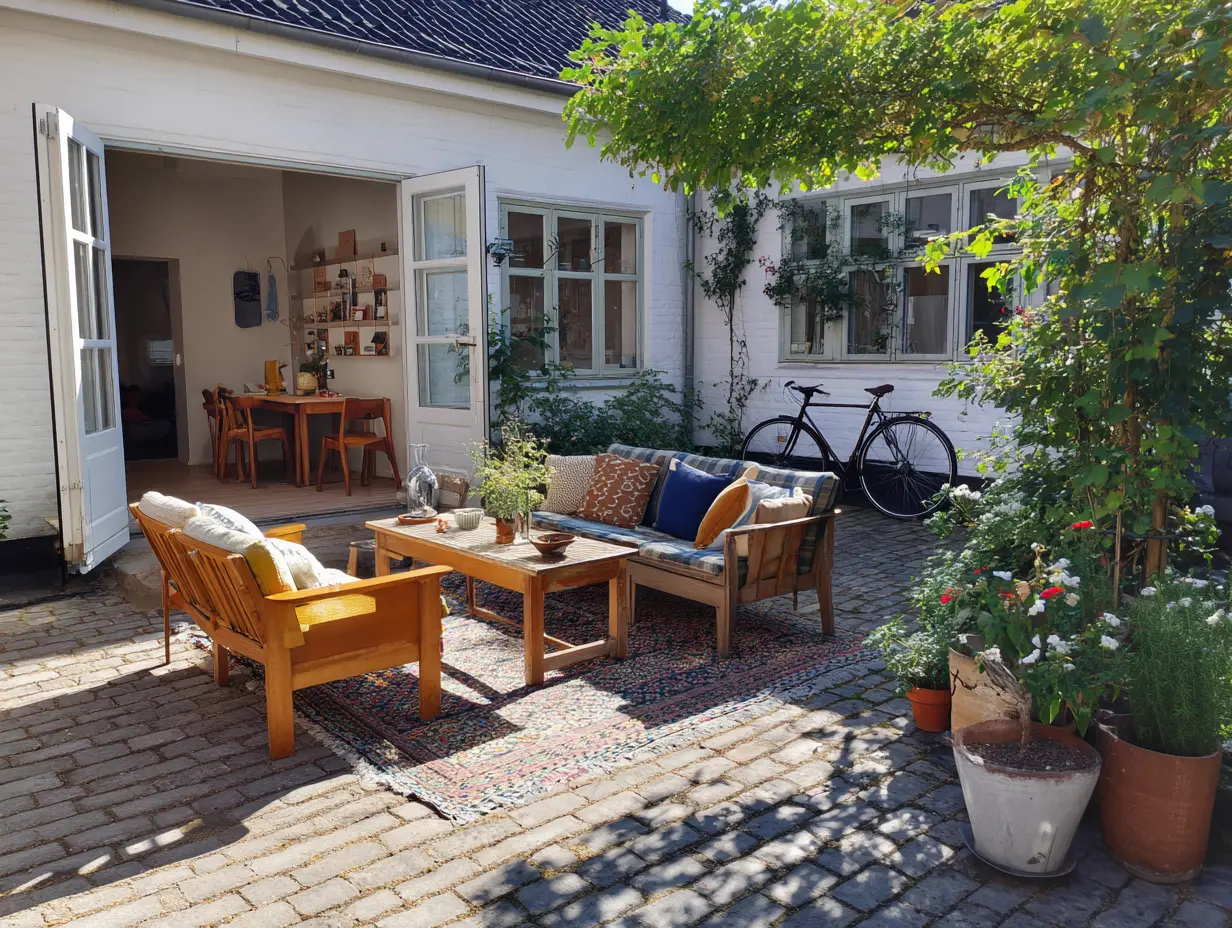
Although hygge is often associated with colder months, its principles apply year-round. In warmer seasons, it might show up through open windows, natural fabrics, and soft evening light. The goal remains the same: creating a home that feels calm and restorative.
Hygge isn’t about decorating for a moment—it’s about designing a space that consistently supports comfort.
Why Hygge Continues to Resonate

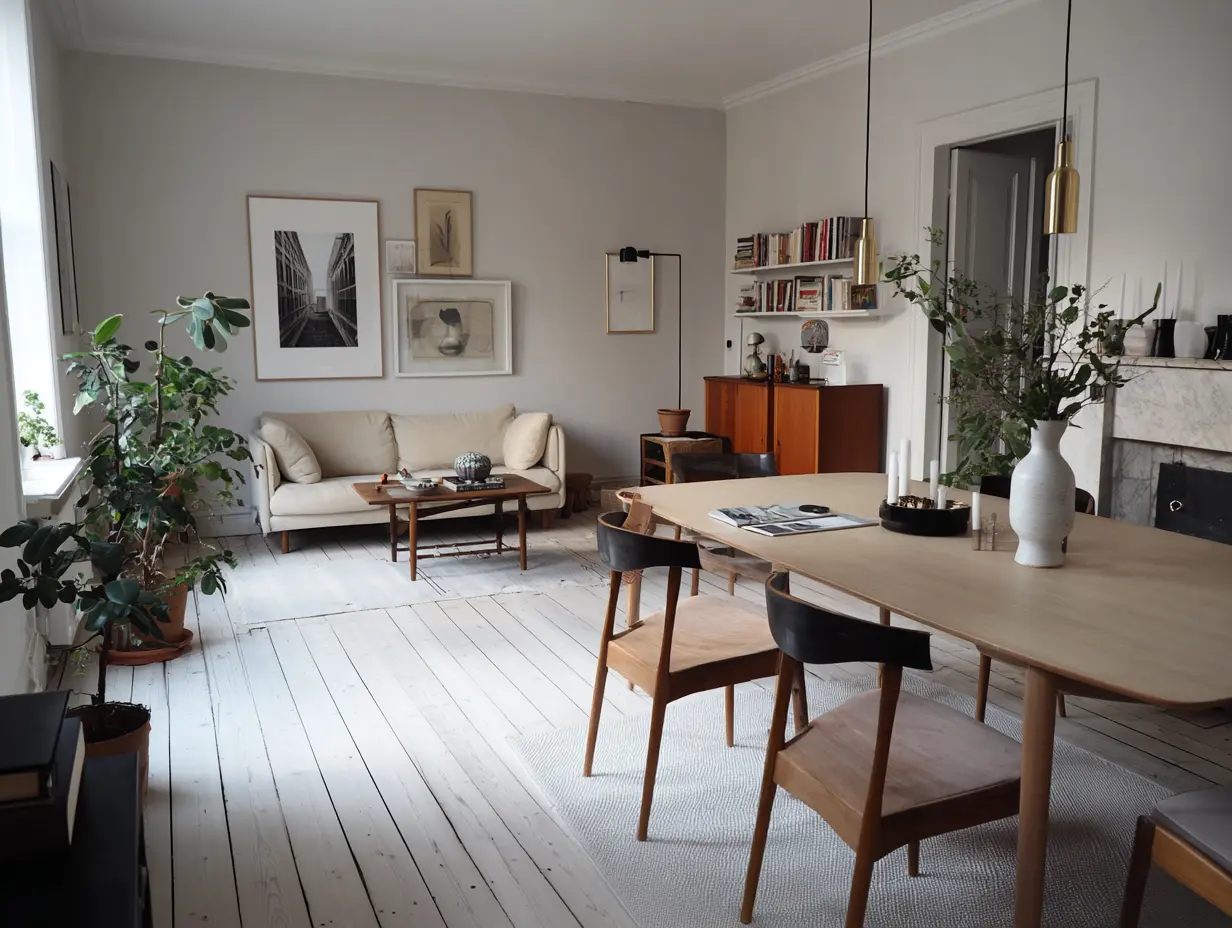
In a world that often feels fast and overstimulating, hygge offers a quieter alternative. By focusing on atmosphere, warmth, and intention, it provides a framework for creating homes that feel less overwhelming and more humane.
You don’t need to redesign everything to embrace hygge. Often, small changes—softer lighting, fewer distractions, more texture—are enough to transform how a home feels.