In the world of high-end interior design, fabric is only half the story. As seen in the recent tour of Jennifer Aniston’s Bel Air sanctuary, the real secret to a room that feels “expensive” lies in the drapes. While most homeowners obsess over color swatches, A-list designers are looking at the heading style—the technical way a curtain meets the rod.
As we lean into the Soft Minimalism trend of 2026, two styles are battling for the top spot: the structured Eyelet and the understated Back Loop. Here is how to choose the one that will actually elevate your home’s aesthetic to celebrity-level sophistication.
Eyelet Curtains: The Minimalist’s Power Move

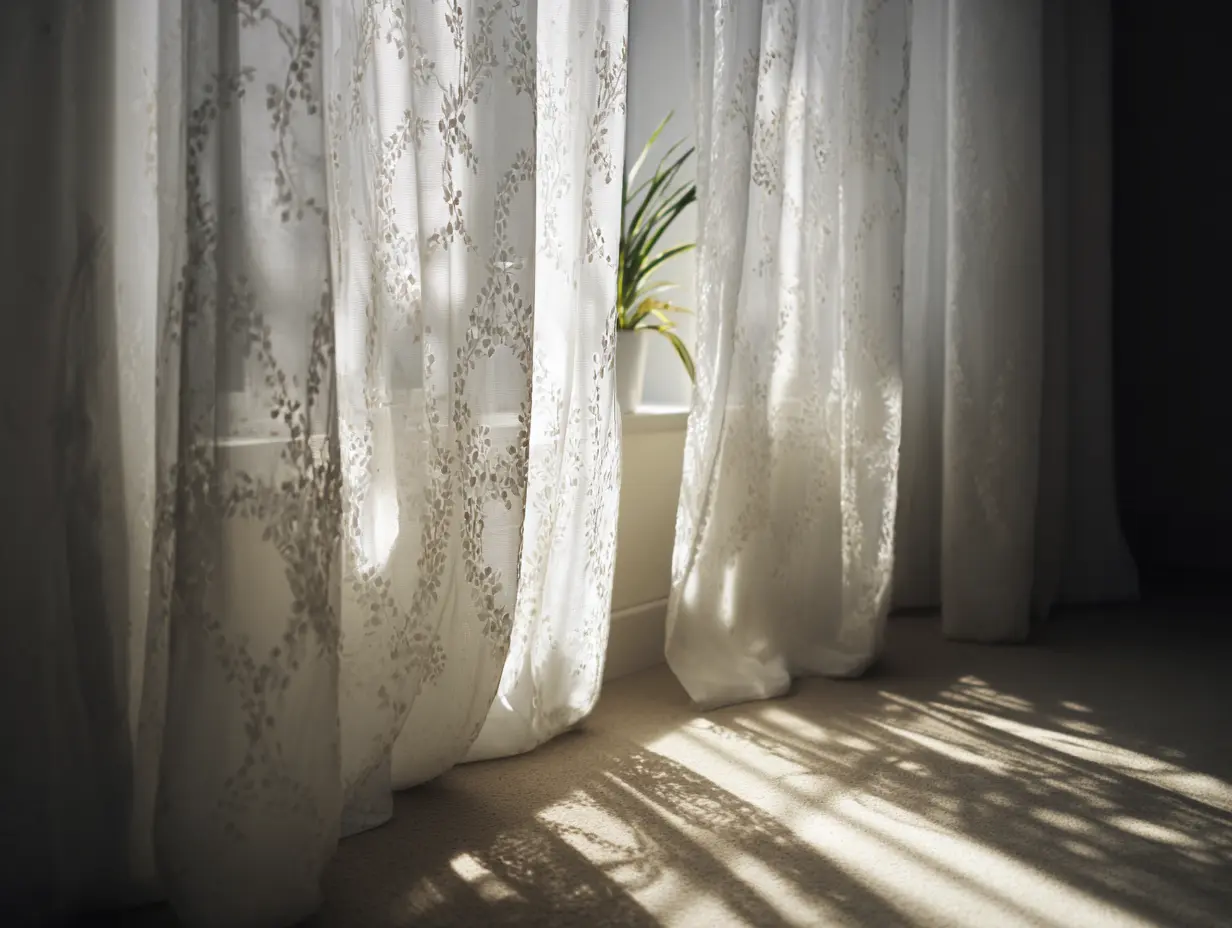
Also known as grommet curtains, eyelets feature metal rings punched directly into the header. This isn’t just a hanging method; it’s a geometric statement favored by architects for its precision.
The Aesthetic: Structured & Modern
Eyelets create deep, uniform S-folds that stay consistent from the rod to the floor. If your home leans toward Industrial, Modern, or High-Tech, this is your go-to. It mimics the clean lines found in high-end boutique hotels.
The Pro Glide
Because metal slides on metal, these are the most functional choice for patio doors or windows you open and close daily.
The Hardware Factor
The grommet becomes part of your color palette. Matching your eyelets to your lamp bases or door hardware creates a “curated” look that screams intentional design.
Design Tip: Eyelet folds take up more depth than other styles. Pre-drill your bracket holes at least 4 inches away from the wall to allow the fabric to “breathe” and prevent the rings from scratching your paint.
Back Loop Curtains: The “Quiet Luxury” Champion

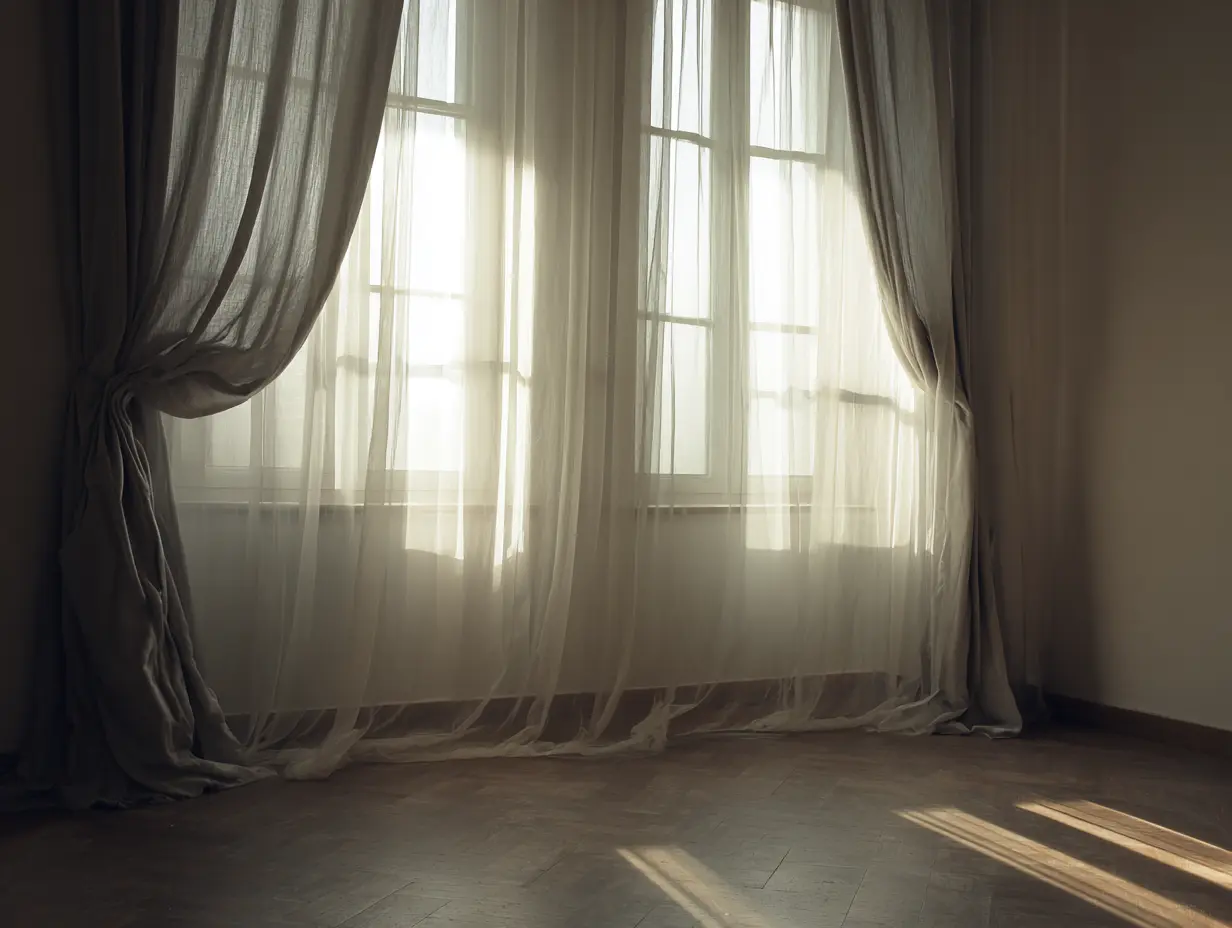
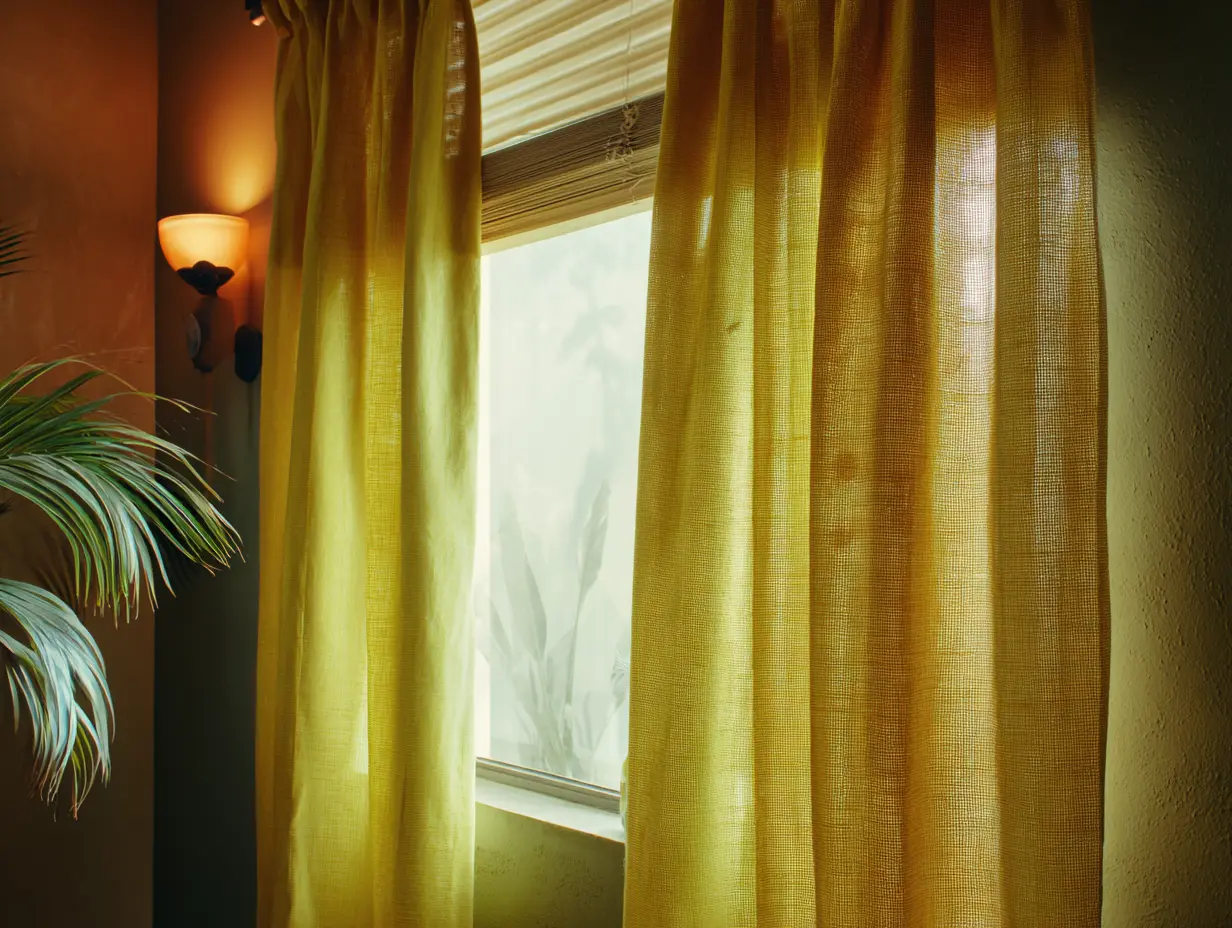
Back loop (or back tab) curtains are the darling of the Modern Farmhouse and Coastal Grandmother movements. By hiding fabric loops on the reverse side, the rod is tucked away, letting the textile take center stage.
The Aesthetic: Soft, Fluid, & Hidden
From the front, the rod is nearly invisible, creating a “floating” effect that looks custom-tailored. This is the exact style used in “Quiet Luxury” interiors to hide the mechanical elements of a room.
The Seamless Look
Without visible rings, the visual “noise” of the room is reduced. This is essential for achieving a Zen or Biophilic design. By removing the cold metal element of the grommet, the room immediately feels warmer and more organic.
The Drape
The folds are softer and less “machine-made” than eyelets, adding a layer of tactile warmth to bedrooms and nurseries where tranquility is the priority.
Head-to-Head: Which Style Works for Your Routine?

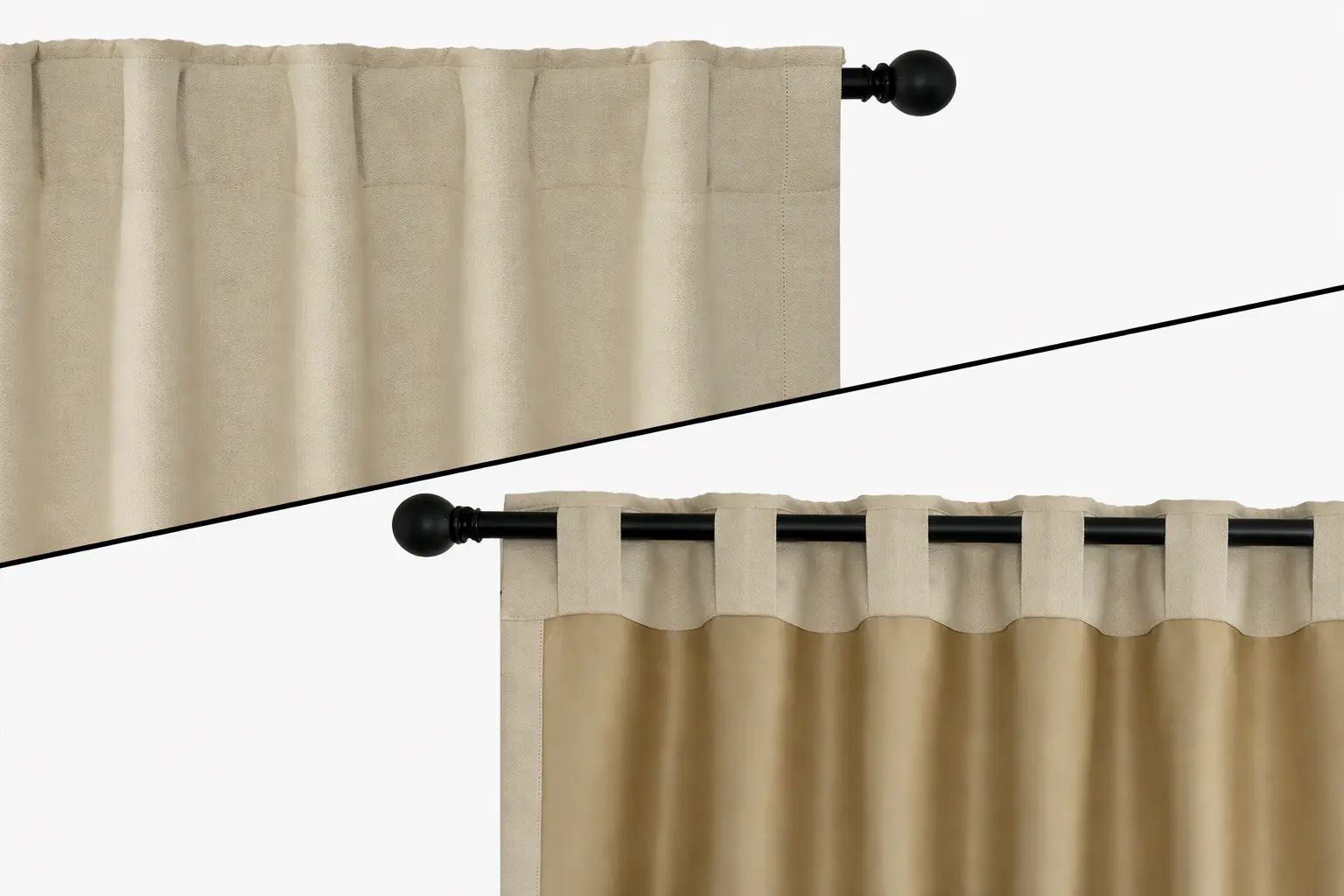
| Feature | Eyelet (Grommet) | Back Loop (Back Tab) |
| Best For | High-traffic areas (Living rooms) | Low-traffic, cozy areas (Bedrooms) |
| Visual Vibe | Architectural & Sharp | Romantic & Seamless |
| Movement | Ultra-smooth gliding | Slightly “grippy” on the rod |
| Maintenance | Folds stay perfect automatically | Requires occasional “dressing” |
Common Mistakes to Avoid

Many homeowners choose the right style but fail the execution. To avoid a “cheap” look:
- Don’t Skimp on Width: Your curtains should be 2x to 2.5x the width of the window. Anything less looks like a “shower curtain” rather than custom drapery.
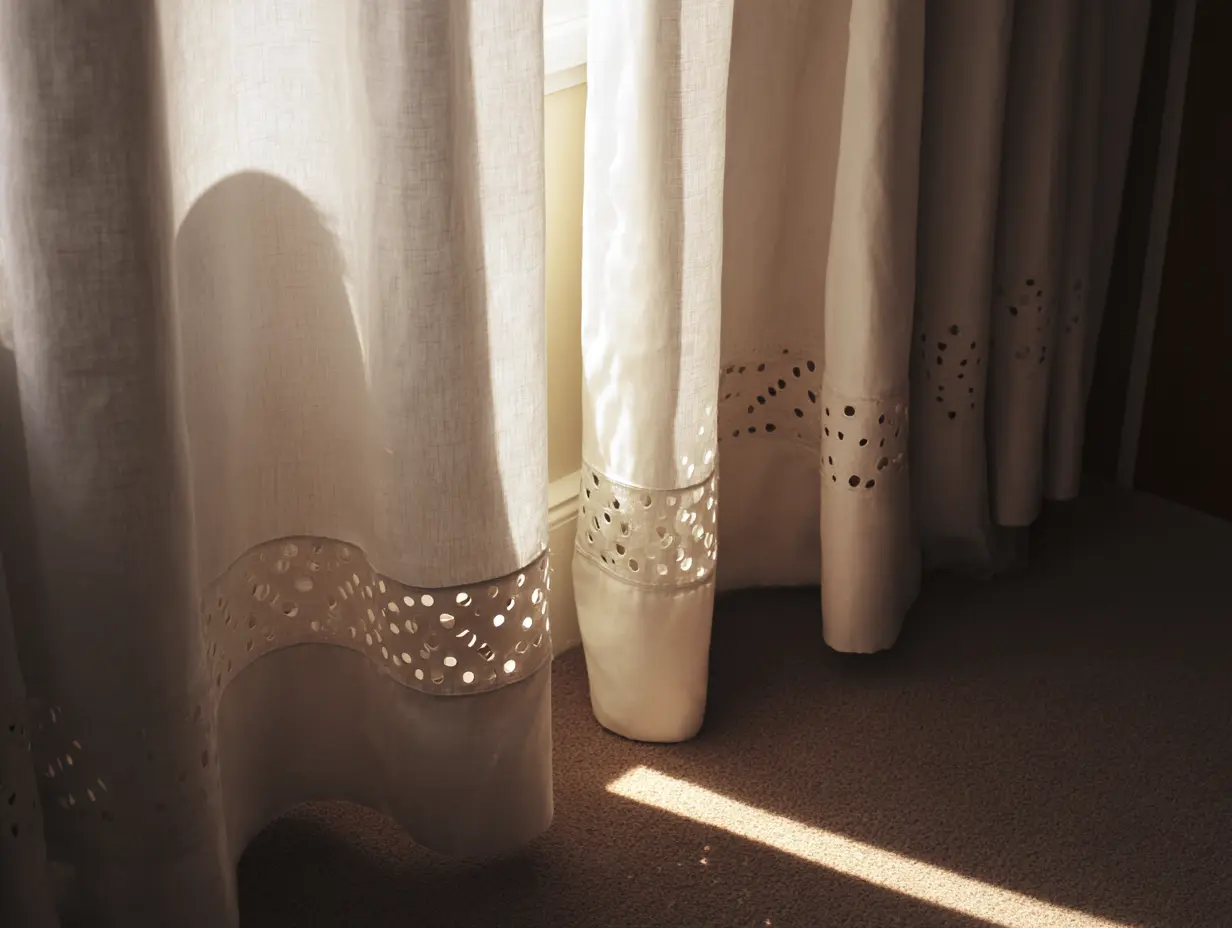
- The High-Water Fail: Ensure curtains touch the floor or “puddle” slightly. Curtains that end 2 inches above the floor break the vertical line of the room, making ceilings look lower.
The Verdict: How to Choose

Choosing between these two comes down to the “Mood” of your architecture.
- Choose Eyelet if… You want your windows to feel like a structural element. It’s the choice for the homeowner who values precision and utility.
- Choose Back Loop if… You want your home to feel like a sanctuary. It’s the choice for the homeowner who values texture and a “hidden” hardware aesthetic.