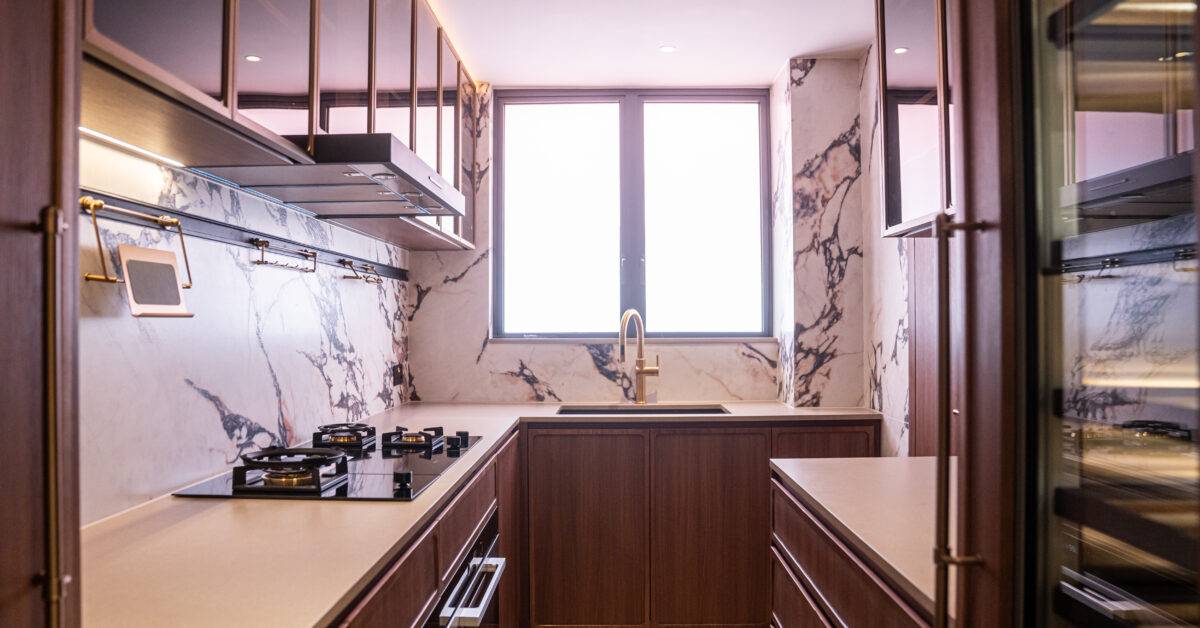
Open-plan living isn’t disappearing—but it is getting a reset. In recent coverage of new builds and renovations, designers have been describing a shift away from fully open “everything in one room” layouts toward spaces that feel intentional, flexible, and easier to live in day-to-day. Think: openness where you want it, boundaries where you need them.

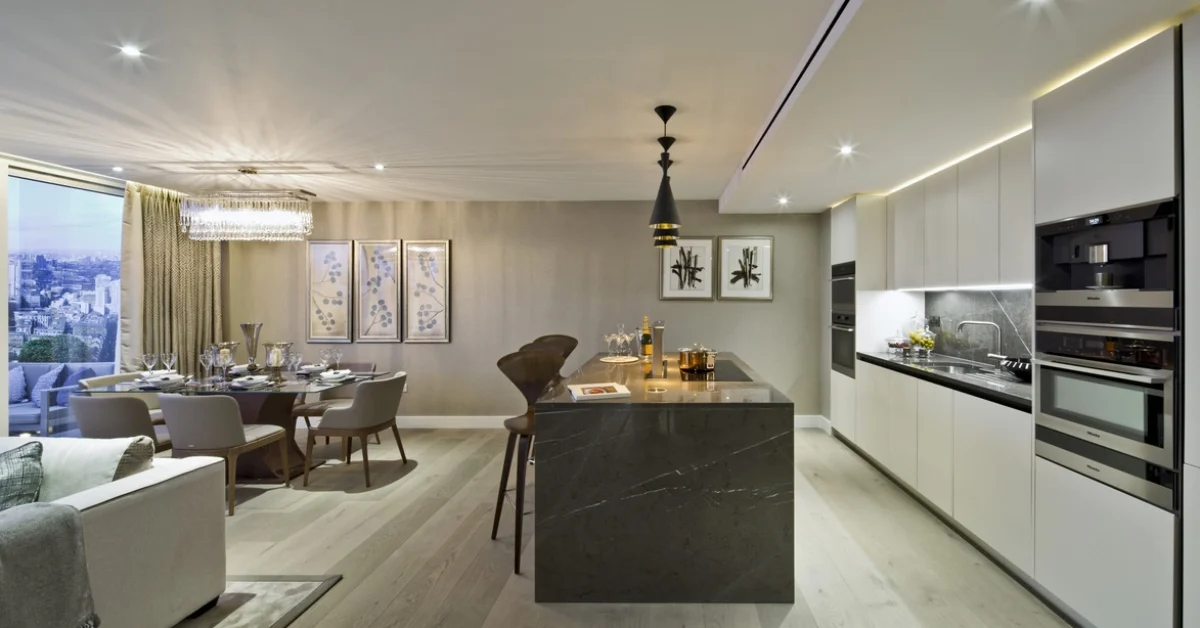
And the kitchen is the first place people are drawing that line.
Because in the age of hybrid work, always-on video calls, and homes doubling as offices, gyms, and hangout spots, the kitchen has become a constant backdrop—along with its clutter, noise, and smells. So “closed kitchen” isn’t about going back in time. It’s about giving the most chaotic room in the house permission to be… a room again.

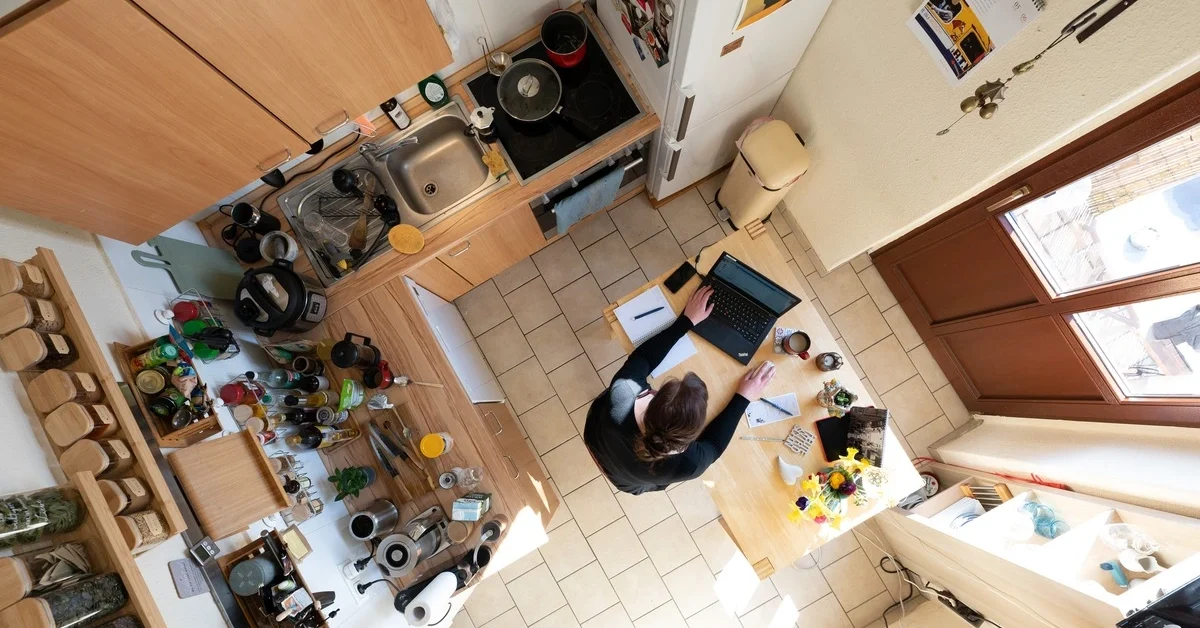
Why Closed Kitchens Feel So Right Right Now

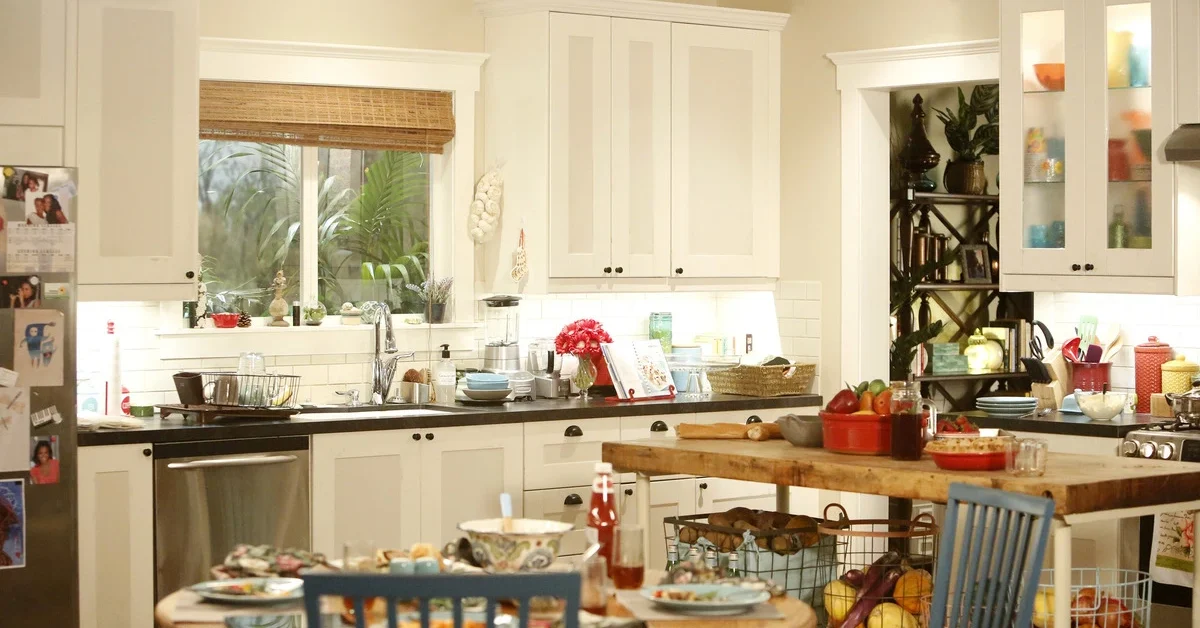
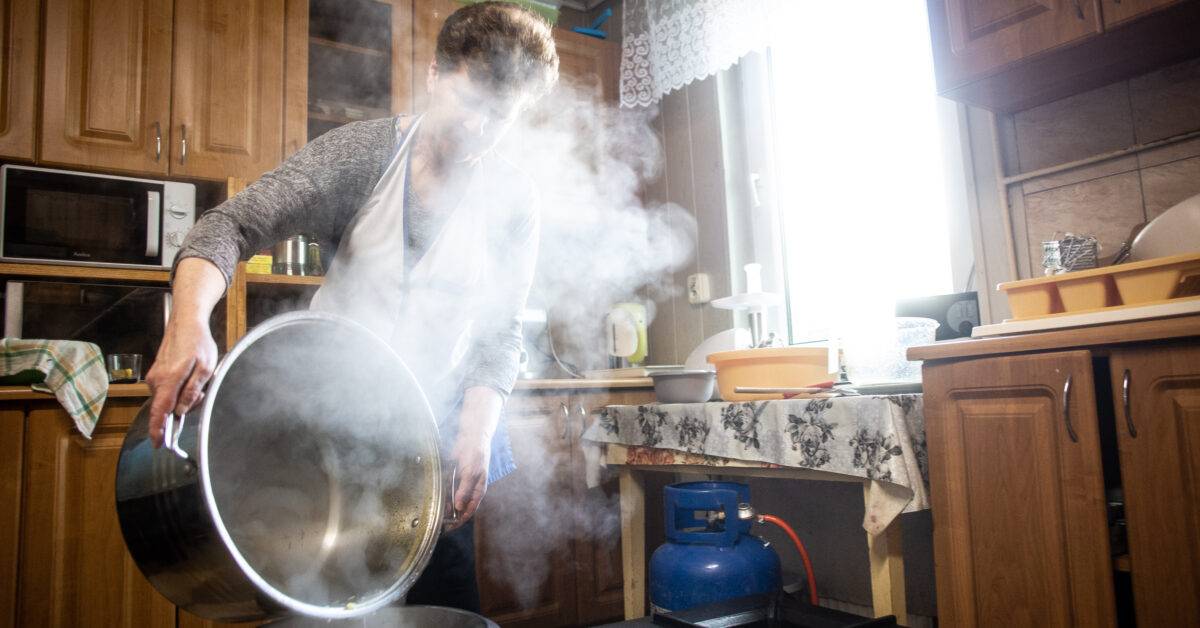
- The mess is no longer “charming”: Open-plan kitchens look great in photos—until you’re living in one. When the sink, countertop appliances, and mid-cooking chaos are always visible, the whole house can feel perpetually unfinished. Designers have been explicitly calling out this desire for separation (or at least strategic concealment) as a reason more defined plans are returning.
- Sound has become a bigger deal than sightlines: Blenders, clanging pans, delivery drop-offs, the espresso machine: open layouts share everything. That’s fine when everyone’s on the same schedule—less fine when someone’s in a meeting, and someone else is making dinner. “Closed concept” demand is often framed as a comfort-and-function move, rather than a formal one.
- Indoor air quality is on people’s radar: Cooking can generate indoor particulates, and agencies like the EPA recommend using a vented range hood (and keeping it running after cooking) to reduce exposure. A kitchen that can be separated—even partially—helps keep odors and cooking byproducts from drifting everywhere.

The New “Closed Kitchen” Isn’t a Dark Box

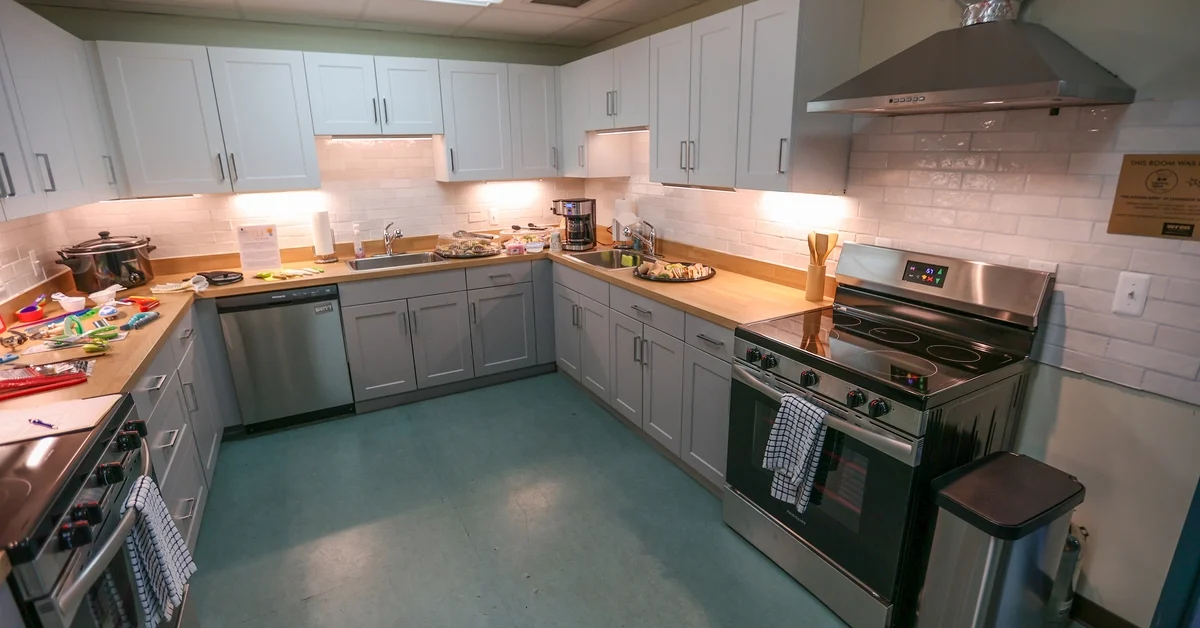
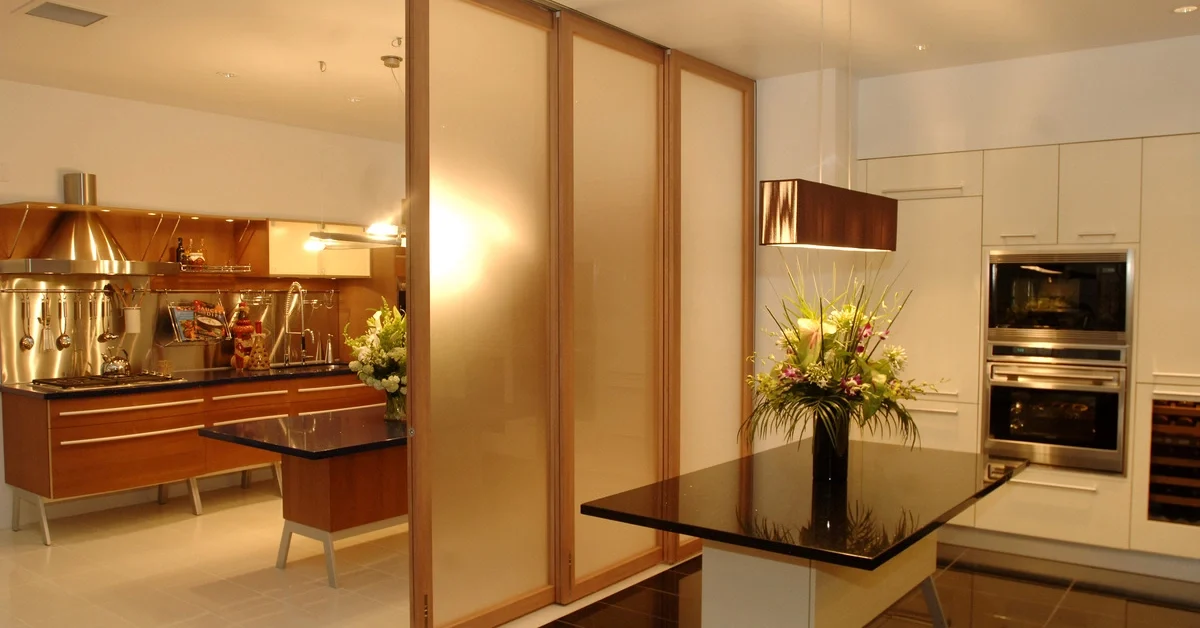
If you’re picturing a sealed-off room with one tiny doorway: not the vibe. The trend is more like broken-plan living—soft boundaries that define zones while keeping light and flow. Designers point to elements like partial dividers, arches, glass, or simply smarter furniture placement to make spaces feel contained without feeling cut off.
How to Get the Closed-Kitchen Feel Without Remodeling

No walls. No custom millwork. No “demo day.” Try these low-lift, budget-friendly moves instead:
1) Create a “soft doorway”: Hang a washable curtain panel on a tension rod at the kitchen entry. Instant separation when you want it, invisible when you don’t.
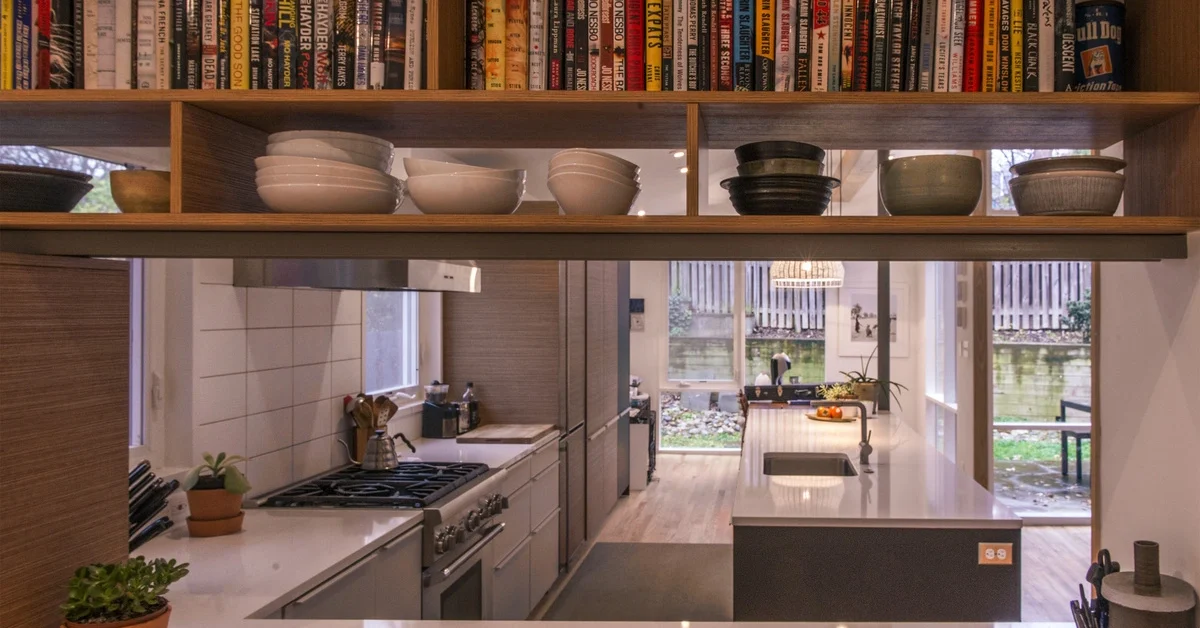
2) Block the sink sightline—only the sink: Place a tall plant, a folding screen, or an open bookshelf so the main living area doesn’t directly face your busiest counter. You’re not hiding the kitchen—just editing the view.
3) Build a mini “back-kitchen” zone with what you have: Designate one surface (a rolling cart, console, or sturdy shelf) as the messy zone for appliances, prep, and grocery staging. The rest of the kitchen stays calmer by default—no renovation required.
4) Use lighting as a boundary tool: Switch to warmer bulbs in the kitchen or add a small lamp on a shelf near the transition point. Different light = different room, even in an open layout.
5) Try a one-tray reset: Keep a tray or lidded bin for daily clutter (mail, chargers, snack wrappers). It’s a simple way to reduce “visual noise” fast—one of the biggest reasons people are rethinking fully open plans.
6) Make hosting optional, not constant: Keep two modes: “open” for guests (clear counters, curtain pulled back), “closed” for real life (screen/curtain in place, prep zone active). This is the core idea behind the comeback: flexibility.
7) Upgrade your air routine, not your appliances: Run the range hood, crack a window when possible, and let ventilation continue after cooking—simple steps that public health and air-quality sources consistently recommend.

The Takeaway
Open-plan living still works for plenty of homes. But the closed-kitchen comeback is really a vote for calm, control, and choice. Not a return to formality—just a smarter way to live with the reality of cooking, working, and existing in the same square footage.